

Why Bouygues keeps bringing RDrive to new projects
How Bouygues standardised quality management, inspections, reporting and progress monitoring across major construction projects from Qatar to Qiddiya
“What matters on site is having a structured way to capture data, manage workflows and understand what’s happening across the project.”
At a Glance

The Challenge
Bouygues needed a practical digital platform that could support the way site teams actually work across major construction projects, rather than forcing teams into rigid, predefined software processes.

The Solution
RDrive was implemented across multiple projects and configured around Bouygues’ quality, inspection, reporting and progress monitoring workflows.

The Outcome
What began as a snagging and handover tool evolved into a trusted project delivery platform used across regions, workflows and major developments, helping Bouygues improve visibility, strengthen reporting, reduce manual effort and connect quality with progress.
Project Overview
Client: Bouygues
Industry: Construction
Region: Middle East and Central Asia
Key Projects
- Major developments in Qatar
- Large-scale developments in Turkmenistan
- Six Flags Qiddiya, Saudi Arabia
- Qiddiya National Tennis Centre, Saudi Arabia
RDrive capabilities used
- QA/QC Management
- WIR & MIR Management
- NCR Management
- Progress Monitoring
- Daily Reporting
- Safety & Environmental Reporting
- Snagging & Issue Management
- Dashboards and Project Reporting
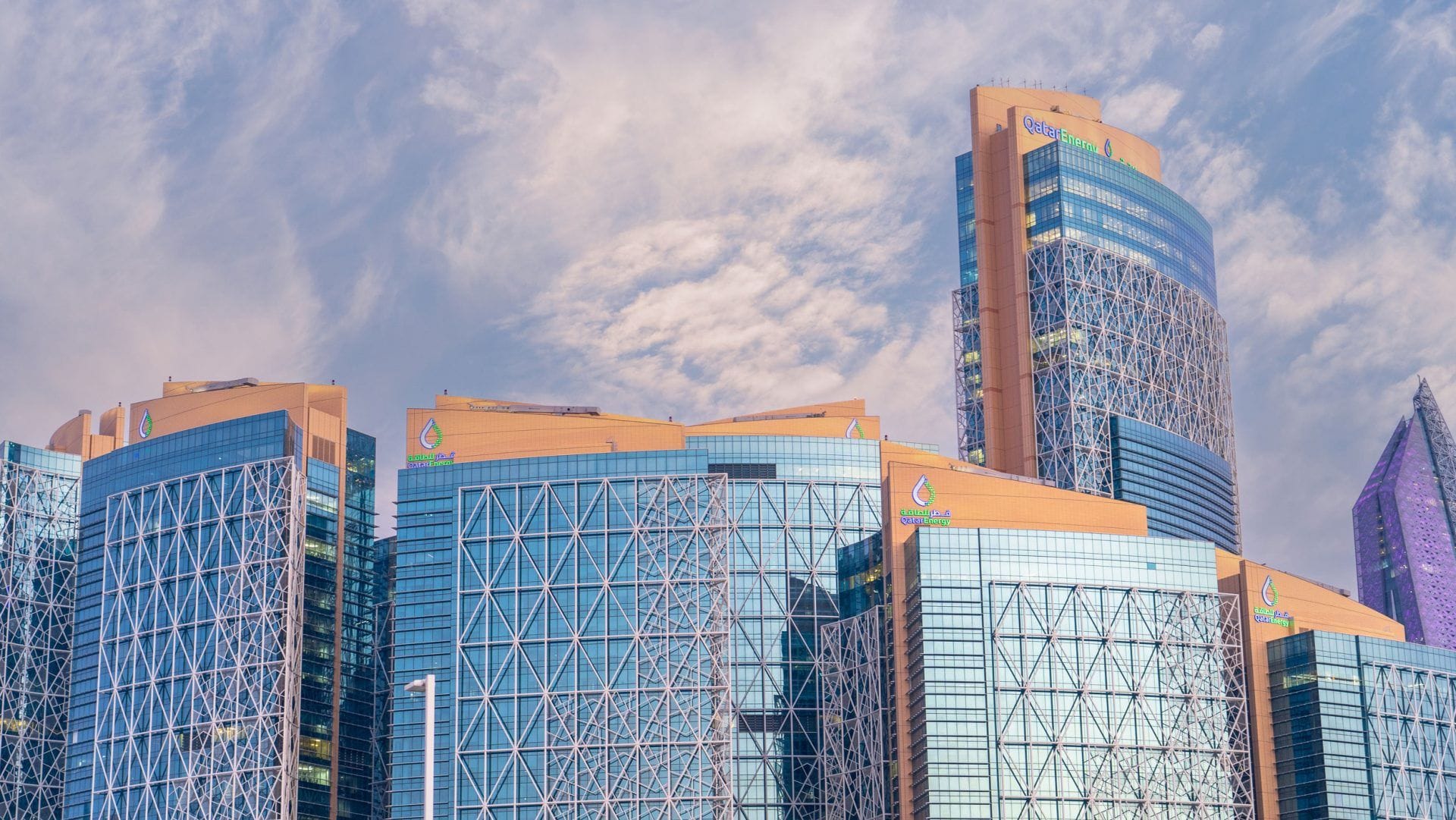
Bouygues first introduced RDrive on a major project in Qatar more than a decade ago. That early success laid the foundations for a long-term partnership that continues today across projects in Turkmenistan and Saudi Arabia.
Complex projects need software that fits the site
Delivering major construction projects means managing an extraordinary volume of information.
Every day generates inspections, approvals, quality records, safety observations, progress updates, technical documentation and client reporting requirements. On projects involving thousands of activities, hundreds of stakeholders and multiple contractors, maintaining control of that information becomes just as important as managing the work itself.
When information is fragmented, visibility suffers, decisions take longer, reporting becomes more difficult and teams spend valuable time chasing updates instead of acting on them.
For Abderahim Boufassa, QA/QC Manager at Bouygues, this challenge has been a constant throughout his career.
Working across major international projects, he has seen first-hand how digital tools can either support project teams or become another obstacle for them to navigate.
The issue, he explains, is rarely a lack of functionality. Instead, it is whether a platform reflects the realities of construction delivery. “What matters on site is having a structured way to capture data, manage workflows and understand what’s happening across the project” said Abderahim.
That practical, site-led perspective would ultimately shape Bouygues’ long-term relationship with RDrive.
Because the story is not simply about implementing software. It is about finding a platform that continued to evolve alongside some of the region’s most ambitious construction projects.
Finding a platform that worked the way Bouygues worked
Bouygues’ journey with RDrive began more than a decade ago on a major project in Qatar.
At the time, the project was entering its snagging and handover phase. The team wanted to move away from paper-based processes and introduce a more structured way of managing defects, inspections and close-out activities.
Several digital construction platforms were evaluated. Some offered extensive functionality whilst others promised transformational outcomes.
But for Abderahim, the decision came down to something much simpler: could the platform support the way the project team already worked?
From the outset, RDrive’s approach felt different.
Rather than focusing on features alone, discussions centred around workflows, reporting requirements, approvals, inspections and how information moved across the project. The emphasis was practical rather than theoretical. Just as importantly, the platform could be adapted as Bouygues’ own procedures evolved. Rather than forcing teams into fixed workflows, processes could be refined and updated to reflect changing project requirements. Abderahim commented, “There was a realistic discussion about what could be done, what couldn’t be done and how the system could support our processes”.
That honesty resonated and the implementation proved successful. Snagging activities became easier to manage; information became more accessible and teams gained greater visibility over outstanding actions.
But perhaps the most important outcome was trust. The platform had proven itself in a live project environment.
So, when future projects emerged, Bouygues already knew they had a solution capable of supporting site teams under real-world conditions.
What is a Work Inspection Request (WIR)?
A Work Inspection Request (WIR) is a formal request raised when a specific item of construction work is ready for inspection.
The purpose is simple: ensure work is reviewed, approved and properly documented before the next stage begins.
A typical WIR process may include:
- Raising an inspection request
- Adding drawings, photographs and supporting evidence
- Notifying the relevant stakeholders
- Reviewing and approving completed work
- Recording comments, actions or rejections
- Maintaining a permanent audit trail
On major projects, effective WIR management is critical. Poorly managed inspections can create delays, uncertainty and costly rework.
For Bouygues, the ability to configure WIR workflows around project requirements has become one of RDrive’s most valuable capabilities.
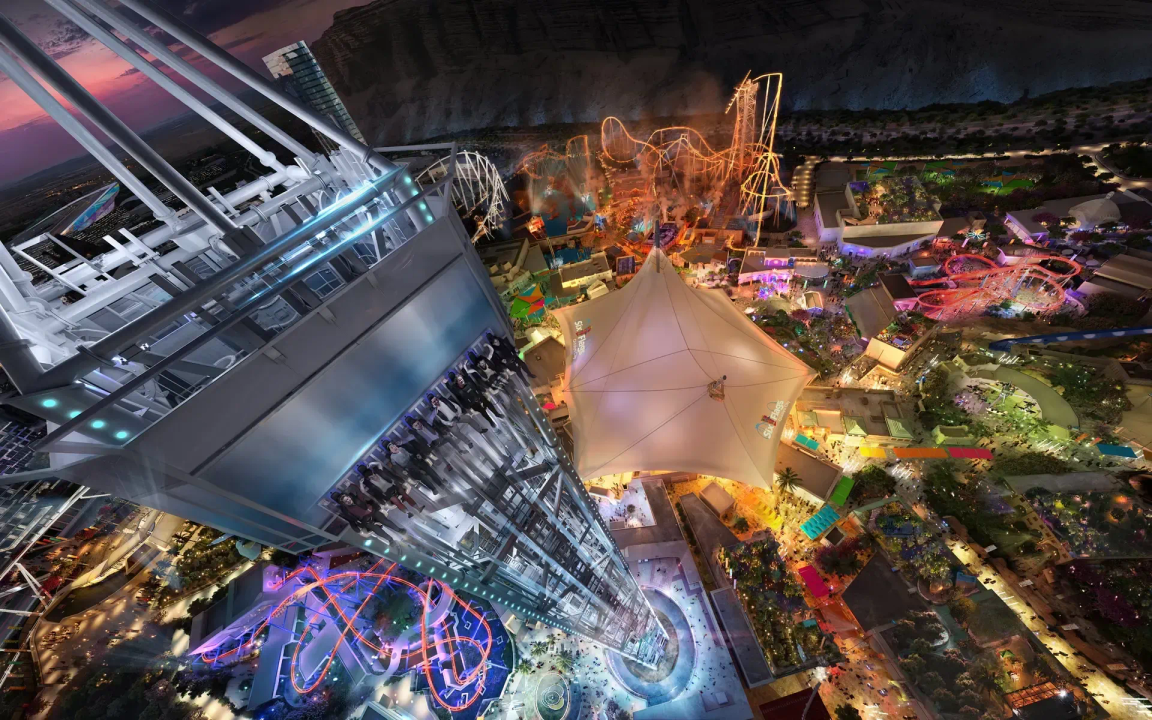

Project Spotlight: Six Flags Qiddiya
One of Saudi Arabia's most ambitious entertainment developments
Part of the wider Qiddiya City development and Saudi Arabia’s Vision 2030 programme, Six Flags Qiddiya is designed to become one of the world’s leading entertainment destinations.
Spanning approximately 320,000m² and featuring 28 rides and attractions across six themed lands, the project represents a significant engineering and construction undertaking.
For Bouygues, a project of this scale required far more than issue management.
It demanded structured quality processes, robust reporting, clear accountability and visibility across multiple disciplines.
RDrive was used to support:
- QA/QC inspections
- Material inspections
- WIRs and MIRs
- NCR management
- Safety reporting
- Environmental reporting
- Daily reporting
- Progress monitoring
- Snagging and issue management
By bringing these workflows together within a single platform, Bouygues gained greater visibility across the project while reducing reliance on disconnected processes and reporting mechanisms.
From snagging tool to project delivery platform
If Qatar established confidence in RDrive, Turkmenistan transformed the relationship. On major developments there, including government buildings and a five-star hotel development, the platform expanded well beyond its original role.
As Bouygues expanded its use of the platform, additional workflows were gradually introduced. Inspections, NCR management, safety reporting and environmental processes were brought into the same environment, while Progress Monitoring was connected with Primavera P6 planning data to provide greater visibility of project performance.
What had started as a snagging solution was becoming a broader project delivery platform.
This shift reflected a wider trend across construction. Project teams increasingly wanted more than digital forms. They wanted connected information, better visibility and reporting that reflected reality on site rather than simply recording activity.
For Bouygues, Progress Monitoring became a particularly important development. By connecting project activities with planning information, site teams gained greater visibility into programme performance while planners received more accurate updates from the field.
The result was a clearer picture of progress and project status.
As Bouygues moved between projects, the benefits of connecting quality, reporting and progress data became increasingly clear. What had started as a solution for snagging and handover was gradually taking on a much broader role, helping teams manage inspections, approvals, reporting and project performance through a single platform.
Each new deployment built on lessons learned from the last, allowing Bouygues to refine processes and expand the platform’s role as project requirements evolved.
“Progress monitoring is becoming more and more important because management wants a real picture of what’s happening on site.”
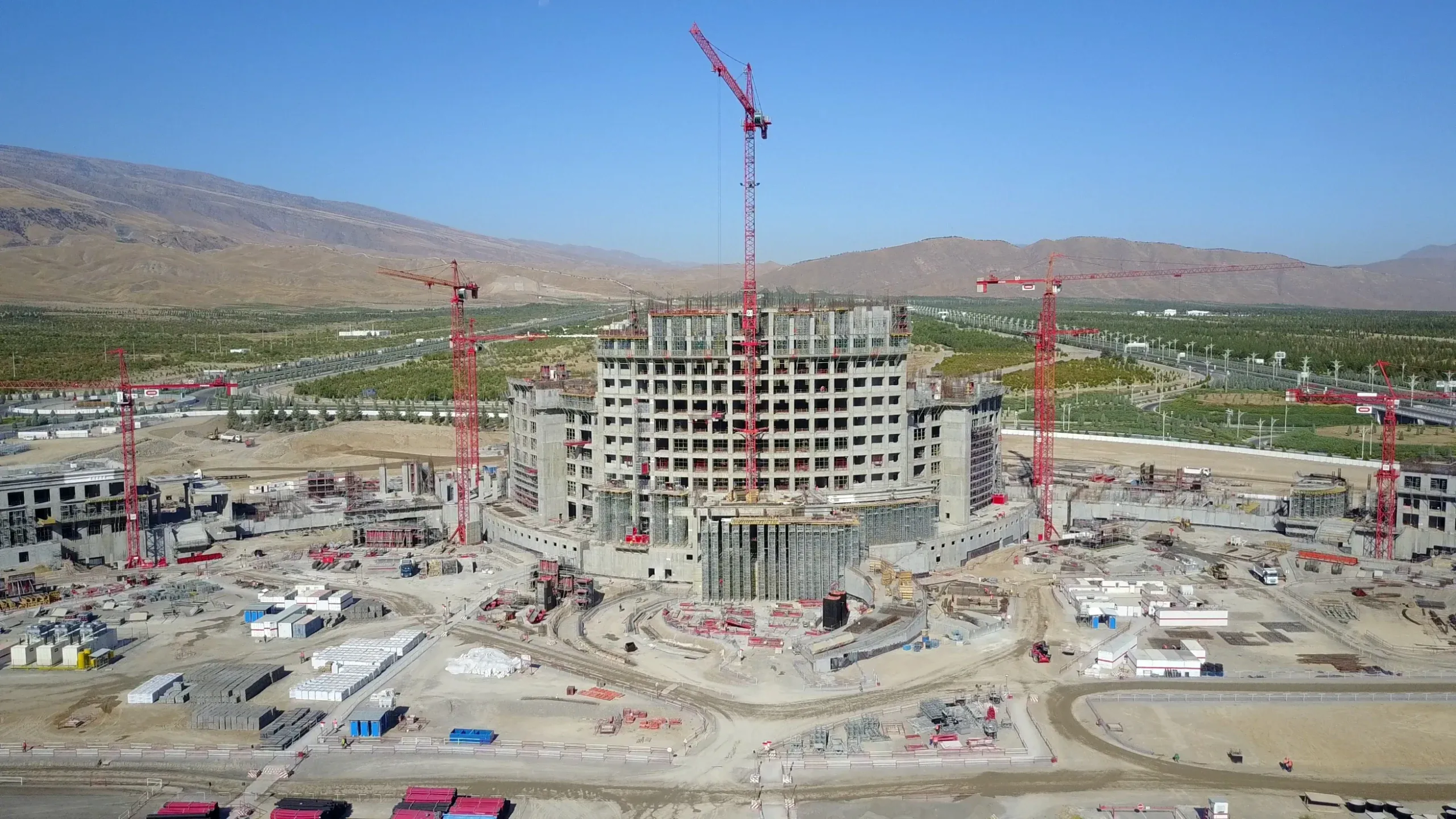
Projects in Turkmenistan marked an important turning point. What began as a digital snagging solution in Qatar had evolved into a broader platform supporting quality management, inspections, reporting and Progress Monitoring.
Connecting quality, approvals and reporting
One of the clearest examples of this flexibility is the way Bouygues manages WIR processes through RDrive.
A typical inspection rarely exists in isolation. Before work can proceed, there may be drawings to review, approvals to obtain, MEP clearances to verify, supporting documents to upload and stakeholders to notify. Traditionally, those activities often sit across emails, spreadsheets and separate systems.
RDrive brings them together.
Workflows can be configured to match Bouygues’ numbering structures, approval processes and reporting requirements. Notifications can be triggered automatically, dependencies can be checked, and supporting evidence can be attached directly to the inspection record.
The result is a clearer, more controlled process. On projects such as Six Flags Qiddiya, where around 100 Work Inspection Requests may be raised each day, coordinating inspections alongside MEP clearances through a single workflow has significantly reduced delays. Bouygues estimates that the process saves around 24 hours per Work Inspection Request, helping work move more efficiently through the inspection cycle.
Rather than simply storing information, RDrive gives project teams, management and other stakeholders access to the same live project information, helping them make faster, more informed decisions.
For project teams and management alike, that visibility supports better decision-making and greater confidence in project reporting.
By the Numbers
Managing project information at scale
During the Six Flags Qiddiya project alone:
- Approximately 60,000 Work Inspection Requests (WIRs) were managed.
- Approximately 100 WIRs raised every day.
- Coordinating WIRs with MEP clearances helped save around 24 hours during the inspection cycle for each request.
- The volume of information equated to millions of pages of project records managed digitally rather than through paper-based processes.
While reducing paperwork is an obvious benefit, the real value comes from improving access to information, strengthening traceability and giving teams greater confidence in the accuracy and completeness of project records.
On projects operating at this scale, those advantages quickly become significant.
Project Spotlight: Qiddiya National Tennis Centre
The next chapter in Bouygues' digital delivery journey
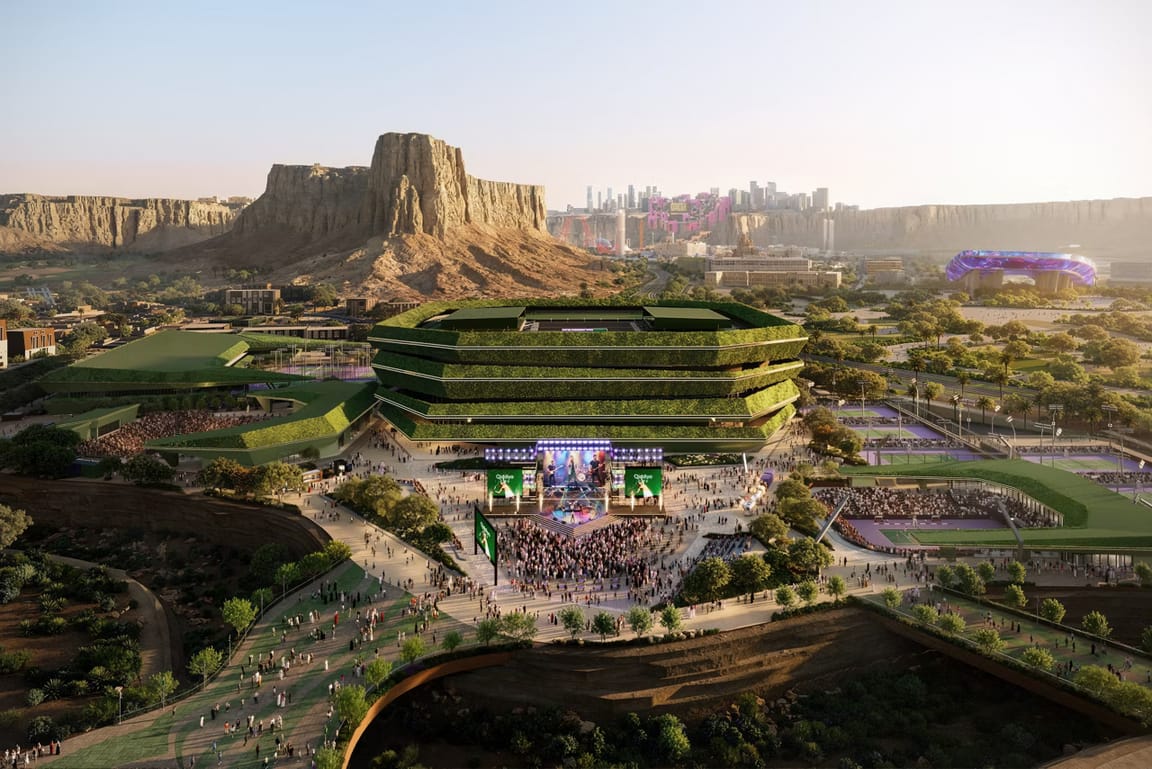
The Qiddiya National Tennis Centre represents another landmark development within Qiddiya City.
Designed to host world-class tennis events, the venue will feature 30 courts, a 15,000-seat Centre Court, a 5,000-seat Court 1, a 2,000-seat Court 2 and an 8,000-seat multi-use arena, creating a total seating capacity of approximately 33,000 spectators.
For Bouygues, the project marks the next stage in its journey with RDrive.
The platform is currently supporting QA/QC processes including inspections, WIRs, MIRs, NCRs and issue management.
At the same time, the team is exploring deeper integration between Progress Monitoring and project planning activities.
While the scale and complexity of each project may differ, the underlying objective remains much the same: give project teams better visibility of what is happening on site, strengthen reporting and create clearer links between quality, progress and project delivery.
For Bouygues, the value lies not only in digitising information, but in making that information more accessible, more reliable and ultimately more useful for decision-making.
Why Bouygues keeps bringing RDrive to new projects
Construction technology succeeds when it solves real site problems. That idea runs through every stage of Bouygues’ relationship with RDrive.
From Qatar to Turkmenistan. From Six Flags Qiddiya to the Qiddiya National Tennis Centre.
The reason Bouygues has continued bringing RDrive onto new projects isn’t down to a single feature or capability. Instead, it comes back to the platform’s ability to adapt to different project environments.
Over the years, Bouygues has delivered projects of varying scale, complexity and scope, often working with different clients, stakeholders and reporting requirements. While the fundamentals of project delivery remain the same, no two projects operate in exactly the same way.
According to Abderahim, that’s where RDrive has consistently added value. Rather than forcing teams into a rigid process, the platform can be configured to reflect the realities of each project while still providing the structure, visibility and control that management teams need.
The relationship has matured alongside the projects themselves. As requirements have changed and projects have become more complex, Bouygues and RDrive have continued working together to refine workflows, introduce new capabilities and address emerging challenges.
That collaborative approach has been an important part of the platform’s long-term success within the organisation. He comments, “We always find solutions. Sometimes it takes a little bit more time, but I am sure with others it would take more time.”
Over more than a decade, RDrive has evolved from a snagging solution into a broader project delivery platform supporting quality management, inspections, reporting, progress monitoring and project controls across some of the region’s most ambitious developments.
For Abderahim, the reason the relationship has endured is perhaps best captured by a simple analogy:
“Other tools are like buying a suit off the shelf. RDrive is like going to a tailor. It takes the time to understand your requirements, takes your measurements and then fits around the way you work.”
For a contractor delivering complex projects at scale, that tailored approach continues to make all the difference.